Walking through the academy doors for your first Brazilian Jiu-Jitsu class is terrifying. We know. Most adults sitting in the carpark are battling the exact same gym anxiety—picturing an aggressive, survival-of-the-fittest environment that makes them question why they even signed up. But then you walk inside. The sharp, clean scent of tea tree wash on the high-density vinyl mats hits you immediately, and you realise nobody is glaring at you. An ego-free training space is built specifically for absolute beginners to learn the fundamentals of physical chess without the crushing intimidation of a traditional combat gym. Here is exactly what to expect on day one.
The Fitness Myth and Pacing
A lot of people delay their trial class because they think they need to get fit first. Not true. You absolutely do not need the cardiovascular endurance of an elite athlete to begin your journey, because the curriculum is designed to accommodate people who haven't stepped foot inside a gym in a decade. BJJ is structured so you learn at your own pace—(yes, even if you currently get winded chasing the kids). The training itself builds your baseline stamina. Just show up.
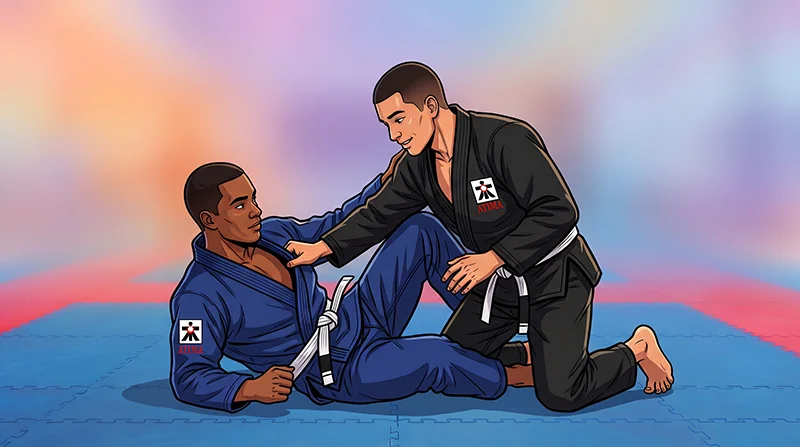
Premium academies such as ATI do not throw novices straight into high-intensity live sparring. Instead, a dedicated beginner’s program separates you from the advanced practitioners to focus entirely on foundational body mechanics so you aren't overwhelmed on your first night. You will spend your first few weeks drilling basic positional control—learning exactly how structural leverage defeats a much larger opponent's size. This deliberate pacing ensures you actually absorb the techniques. It also keeps you safe.
What to Wear on the Mats
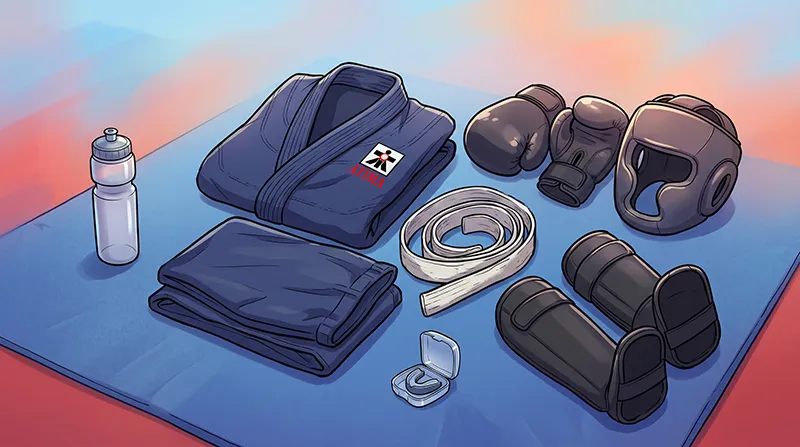
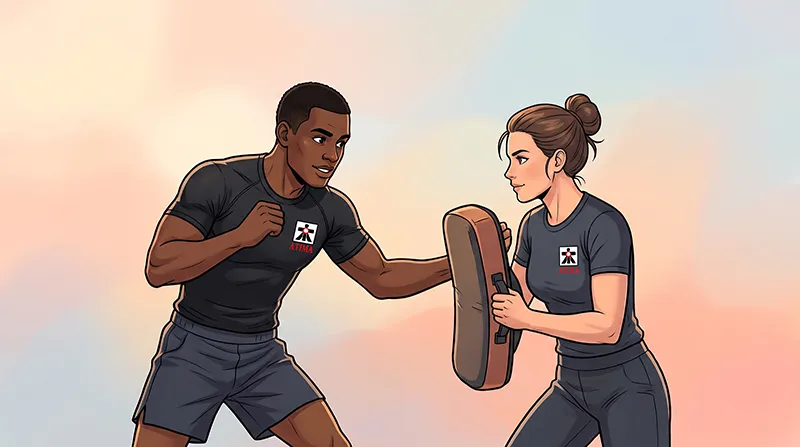
What on earth do you wear? It is simpler than you think. For your initial trial session, a fitted t-shirt or a specialised rashguard works perfectly. Baggy clothing just gets tangled during drills. For your lower body, standard athletic shorts are ideal—with one massive caveat. They must be completely free of pockets and metal zippers. Zippers tear up the expensive mats. Pockets are a serious hazard because a training partner's fingers or toes can easily get caught inside them during a dynamic sweep, which is exactly how avoidable joint sprains happen.
Hygiene and Mat Etiquette
Hygiene is non-negotiable. Because this sport involves incredibly close physical contact where you are constantly sharing the same breathing space, personal cleanliness serves as the ultimate sign of respect toward your training partners. Before you even leave the house, trim your fingernails and toenails completely short. Nobody wants to be scratched by a stray toenail while drilling a basic guard pass. Your training gear must be freshly laundered before every single session. Never pull a damp rashguard out of your gym bag from yesterday.
The mats are a respected boundary. Shoes are explicitly prohibited on the training area so we don't track street dirt onto the surface. But the second you step off the mats? Put your footwear back on. Slides or thongs are absolutely mandatory when walking around the rest of the facility—especially if you are heading into the restrooms—because this one simple habit is what prevents the spread of nasty skin infections.
The Golden Rule: Tapping
The most critical mechanic you will learn on day one is the tap. Tapping—firmly slapping your partner's body or the mat—is the universal physical signal to immediately stop and reset. It is the essential built-in safety valve that allows everyday adults to train a combat sport at high intensity without risking the kind of joint damage that would keep them out of work on Monday. Tap early, and tap often. Leave your ego in the carpark. Tapping isn't a failure; it simply acknowledges that a technique was applied correctly so you can safely reset and go again.
Stepping onto the mats takes courage. But once you understand the basic etiquette and the underlying safety mechanics of BJJ, the mystery entirely vanishes, allowing you to stop stressing about the unwritten rules and simply enjoy the physical chess match in front of you. Prepare yourself for the inevitable “day-two” soreness in stabiliser muscles you didn't even know existed. Then come back and do it again.